Your Eyes See Color. Your Mind Remembers Texture.
Imagine walking barefoot across two different floors.
One is perfectly smooth, glossy, and reflective.
The other has the gentle character of natural stone subtle grains, soft movement, and a finish that catches the light differently with every step.
Even without looking down, you know the difference.
Texture is one of the few design elements that people experience both visually and emotionally. It adds depth without demanding attention. It creates richness without relying on bright colors or dramatic patterns.
Perhaps that's why some spaces stay in our memory long after we've left them.
Not because they were colorful.
Because they felt real.
The definition of luxury has changed.
A decade ago, luxury often meant making a statement. Shiny finishes, dramatic contrasts, intricate detailing, and highly decorative interiors were all symbols of sophistication.
Today's luxury feels quieter.
People are spending more time at home than ever before. Home has become an office, a retreat, a gathering place, and a sanctuary all at once.
In this new lifestyle, homeowners are searching for something different.
Not more decoration.
More comfort.
Not louder interiors.
More meaningful ones.
Texture helps achieve that balance beautifully.
A softly textured porcelain surface can make a room feel grounded. A stone-inspired wall creates warmth without adding visual clutter. A matte finish diffuses light gently, allowing the architecture to take center stage.
Luxury is no longer about overwhelming the senses.
It's about calming them.
Step outside and look closely at the natural world.
A mountain isn't impressive because of its color.
A tree isn't beautiful because every leaf is identical.
A river stone isn't memorable because it's perfectly smooth.
Nature fascinates us because of its textures.
The roughness of rock.
The veins in marble.
The layered character of limestone.
The weathered beauty of aged wood.
These subtle imperfections create authenticity.
Modern interior design is increasingly borrowing this lesson.
Instead of trying to imitate perfection, designers are embracing surfaces that celebrate natural movement, depth, and variation.
That's why stone-look porcelain, travertine-inspired tiles, concrete finishes, and marble-look surfaces have become defining elements of contemporary luxury.
They bring nature indoors, not through color, but through texture.
Walk through a newly designed luxury residence, and you may notice something surprising.
There are often fewer materials than you expect.
Instead of combining five or six different finishes, architects are creating harmony through carefully selected surfaces that work together.
This approach allows texture to become the hero.
A living room doesn't need a bold feature wall when the floor itself has beautiful natural movement.
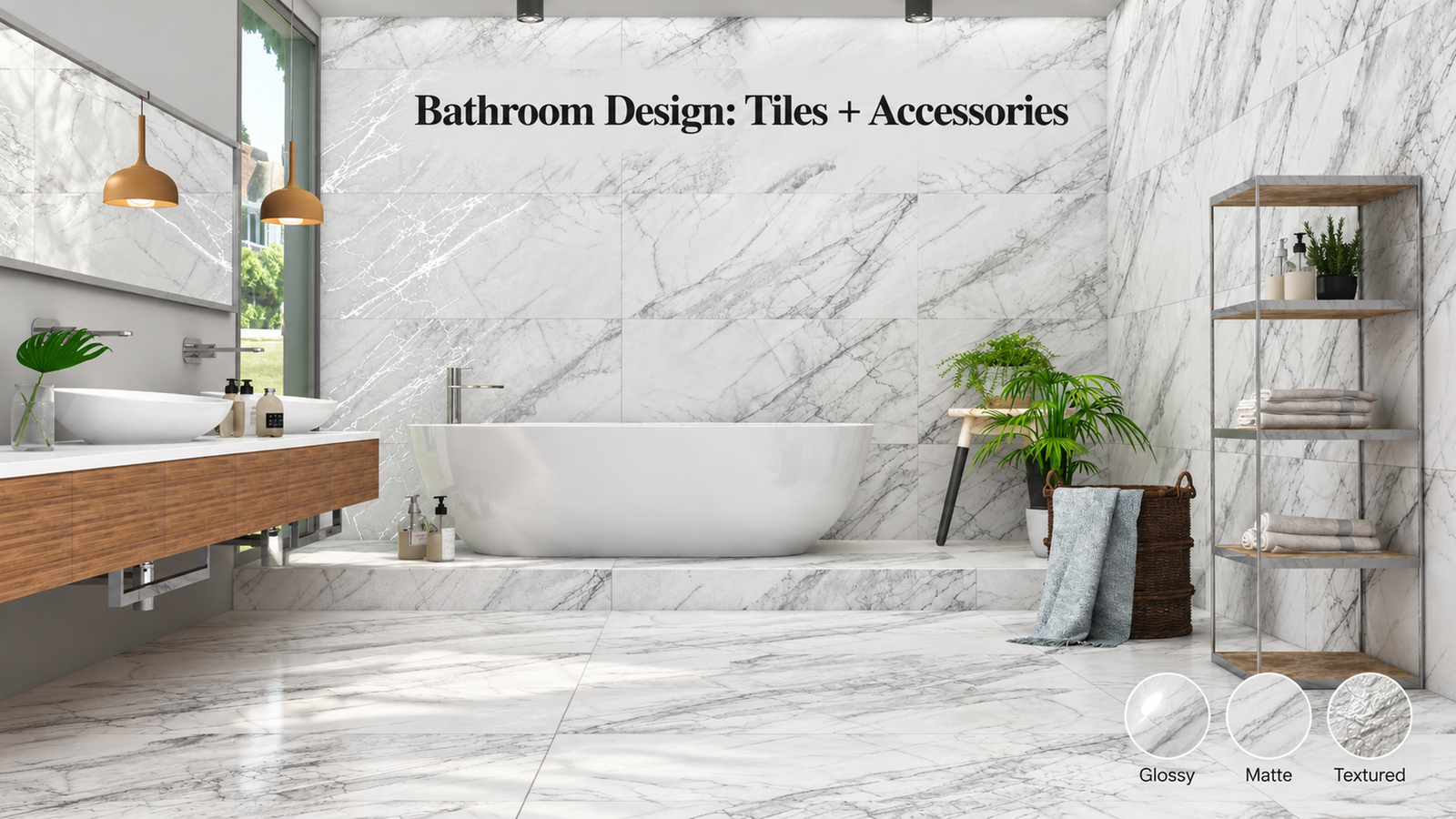
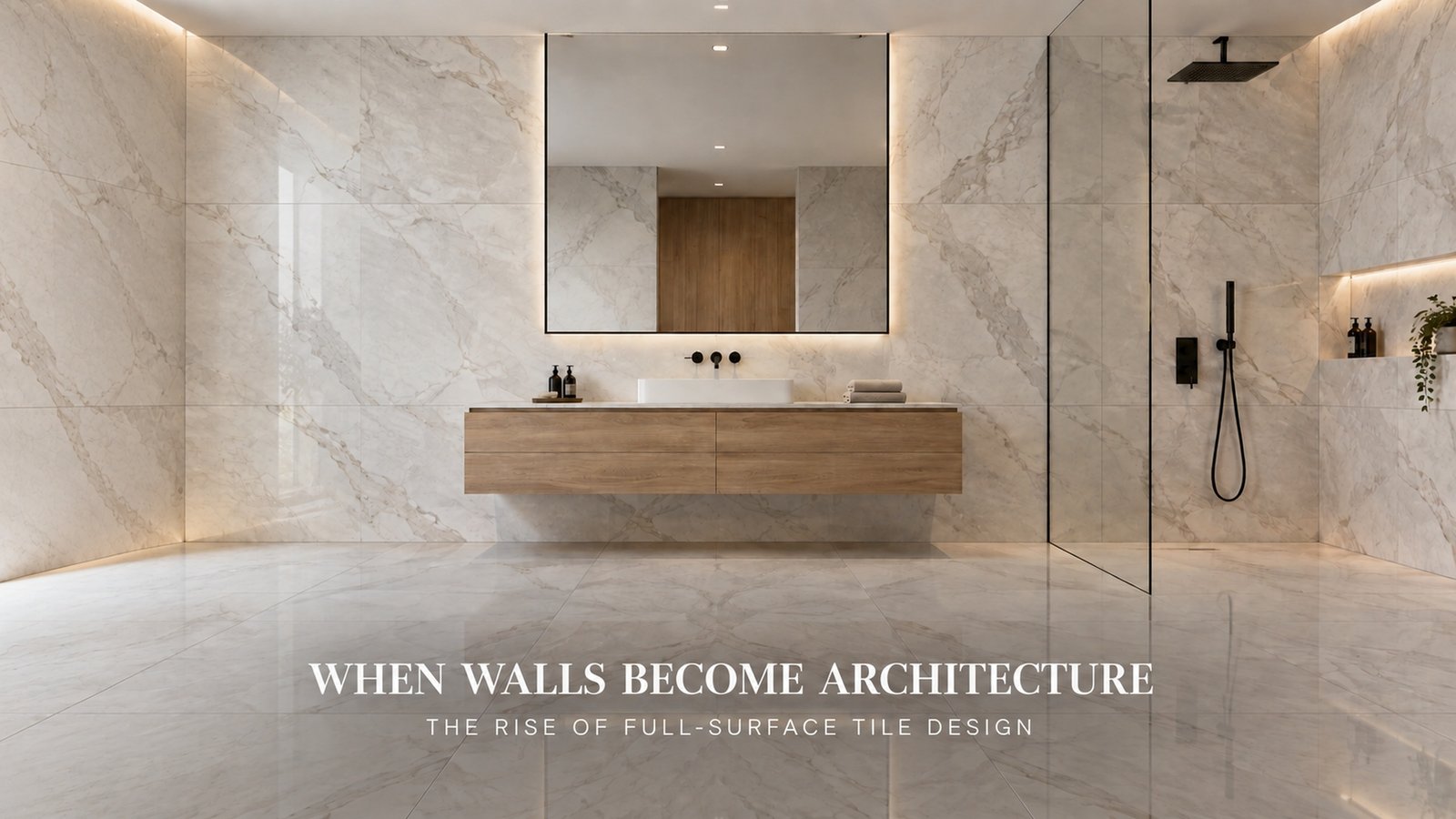
A bathroom doesn't need excessive decoration when large-format stone-inspired tiles create quiet elegance from floor to ceiling.
A kitchen doesn't need competing colors when subtle surface variation provides visual richness.
The design feels restrained.
And that's precisely why it feels expensive.
Here's something many homeowners don't realize.
A textured surface is never exactly the same twice.
Morning sunlight reveals one character.
Afternoon light softens another.
Evening lighting creates entirely different shadows.
Unlike flat surfaces, textured tiles interact with changing light throughout the day, making interiors feel dynamic without constantly changing the design itself.
This is one reason luxury spaces often feel alive.
They're not static.
They're responsive.
The architecture changes with the environment.
And texture makes that possible.
Interior designers have started using a phrase that perfectly describes where luxury is heading:
Tactile design.
It means designing spaces that people don't just admire, they want to experience.
Think about how often people instinctively touch natural stone, brushed wood, textured fabrics, or handcrafted ceramics.
There's something deeply human about wanting to connect with materials physically.
Premium porcelain tiles are embracing this philosophy by recreating the authentic feel of natural surfaces while offering the durability and practicality modern living demands.
The result is an interior that looks refined but also feels inviting.
Trends often rely on color.
One season it's olive green.
The next it's deep navy.
Then terracotta, charcoal, or sage.
Colors evolve constantly.
Texture, however, is different.
Natural stone has looked beautiful for centuries.
Travertine has remained relevant across generations.
Concrete continues to inspire contemporary architecture.
Marble still defines elegance in homes around the world.
These materials don't survive because of fashion.
They survive because their textures connect with something timeless.
Choosing surfaces inspired by these enduring materials helps create interiors that feel relevant long after passing trends disappear.
Some people mistake understated interiors for simplicity.
In reality, subtle design is often the most carefully considered.
Luxury today doesn't compete for attention.
It rewards attention.
At first glance, a room may appear effortless.
Look closer, and you begin noticing the details.
The gentle movement across a porcelain surface.
The soft interplay between matte textures and natural light.
The richness hidden inside a stone-inspired finish.
The scale of a large-format tile creating uninterrupted visual flow.
These are the moments that define modern luxury.
Not dramatic gestures.
Quiet confidence.
Texture has become especially important in spaces where people spend the most time.
In living rooms, it creates warmth without overcrowding the design.
In kitchens, textured porcelain surfaces balance elegance with everyday practicality.
In bathrooms, stone-inspired finishes transform functional spaces into calming retreats.
In commercial environments, premium textures communicate sophistication before a single word is spoken.
The beauty of modern vitrified tiles is that they allow designers to achieve these effects while maintaining exceptional durability, easy maintenance, and long-term performance.
For architects, interior designers, and homeowners alike, that combination is increasingly difficult to ignore.
Every memorable interior tells a story.
Sometimes that story is written through architecture.
Sometimes through light.
Sometimes through carefully chosen materials.
Texture brings all of these elements together.
It slows the eye.
It softens the atmosphere.
It gives a room character without demanding attention.
That is why texture has become more than a design trend.
It has become a way of creating emotional connection.
For premium surface like Flavour Granito, this philosophy reflects a deeper understanding of modern living. Today's surfaces are not chosen simply because they cover a floor or wall. They are selected because they influence how a space is experienced every single day.
Whether inspired by natural stone, refined marble, contemporary concrete, or timeless earth tones, thoughtfully crafted vitrified tiles help transform ordinary rooms into spaces that feel authentic, elegant, and enduring.
Interior design is entering a new chapter.
Color will always have its place, but it is no longer the sole storyteller.
Texture has emerged as the new language of luxury because it adds depth without excess, sophistication without complexity, and emotion without distraction.
As homeowners seek spaces that feel calmer, architects pursue timeless materials, and designers embrace authenticity over ornamentation, textured surfaces are becoming the foundation of premium interiors around the world.
The future of luxury isn't brighter.
It isn't louder.
It isn't more colourful.
It's more thoughtful.
And often, that story begins with the surface beneath your feet.
12-10-2026
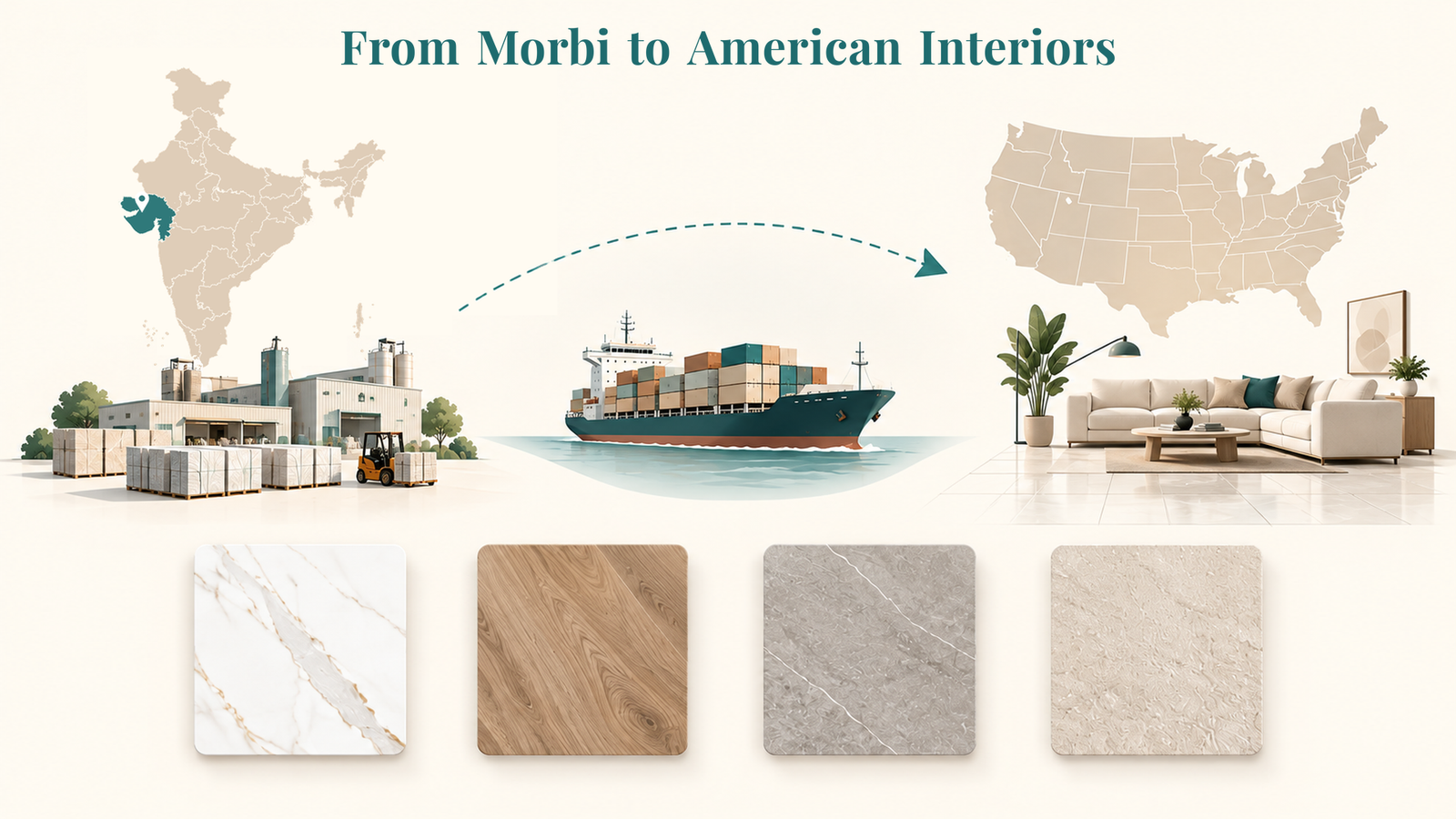
What started 25 years ago in Morbi, India’s ceramic hub, has grown into a trusted global brand. At Flavour Granito, we’ve built our legacy on creating tiles that blend artistry.
Quick Links
Available Sizes
Flavour Granito © . All rights reserved | Design and Managing By Roex Design