
Think about the last time you stayed in a truly exceptional hotel.
Not necessarily the most expensive one.
But a place where, the moment you walked through the door, something felt different.
The lighting was softer.
The space felt calm.
The materials looked refined without trying too hard.
The bathroom felt like a private spa.
The bedroom felt free from distractions.
And somehow, despite being completely unfamiliar, the environment felt instantly comfortable.
Now think about how many people return from those experiences and say the exact same thing:
"I wish my home felt like this."
That simple statement reveals one of the biggest shifts happening in modern interior design.
People are no longer looking at luxury hotels simply as places to stay during vacations. They are increasingly using them as inspiration for how they want to live every day.
From New York penthouses and California residences to modern suburban homes and urban apartments, homeowners are borrowing ideas from hospitality design in ways that are reshaping the future of interiors.
And surprisingly, this trend has very little to do with luxury itself.
It has everything to do with how luxury hotels make people feel.
Most people assume luxury hotels are selling accommodation.
They're not.
What they're really selling is a feeling.
A luxury hotel creates a temporary escape from everyday chaos.
It offers:
Everything inside the space is carefully designed to reduce friction and enhance comfort.
The guest doesn't have to think about anything.
The environment simply works.
And after experiencing that level of ease, people naturally begin questioning why their own homes don't create the same feeling.
This is one reason hospitality-inspired interiors have become one of the fastest-growing influences in residential design.
People are not trying to copy hotel rooms.
They are trying to recreate the experience.
To understand why this trend is growing, it's important to understand what daily life looks like for many people today.
Most homeowners spend their days surrounded by:
As a result, home is no longer just a place where people sleep.
It has become the most important recovery space in their lives.
People want their homes to help them disconnect.
They want environments that reduce stress rather than add to it.
Luxury hotels have mastered this concept for decades.
Now homeowners want the same benefits inside their own spaces.
For a long time, luxury was associated with visible wealth.
Large chandeliers.
Ornate detailing.
Highly decorative interiors.
Expensive materials displayed as status symbols.
Today's luxury buyers think differently.
Increasingly, people associate luxury with things that cannot be photographed as easily:
This shift explains why modern luxury homes often feel calmer than luxury homes from previous generations.
The objective is no longer to impress visitors.
The objective is to improve daily life.
And that philosophy comes directly from hospitality design.
One reason luxury hotels feel so appealing is because every design decision is intentional.
Nothing is accidental.
Designers carefully consider:
The answers to these questions shape everything from flooring choices to lighting placement.
Residential design is increasingly adopting the same mindset.
Instead of filling spaces with unnecessary elements, homeowners are focusing on creating environments that support how they want to feel.
That represents a major evolution in interior design thinking.
Perhaps nowhere is the influence of luxury hotels more obvious than in modern bathroom design.
Bathrooms were once treated as purely functional spaces.
Today they are becoming personal wellness environments.
Homeowners increasingly want bathrooms that resemble the spaces found in luxury resorts.
Features driving this trend include:
The goal is not extravagance.
The goal is escape.
A well-designed bathroom offers a few moments of peace at the beginning and end of every day.
For many homeowners, that has become incredibly valuable.
Luxury hotels rarely overwhelm guests with visual clutter.
Instead, they create a sense of flow.
Materials transition smoothly.
Colors feel connected.
Spaces appear larger and more cohesive.
This principle is becoming increasingly popular in residential interiors.
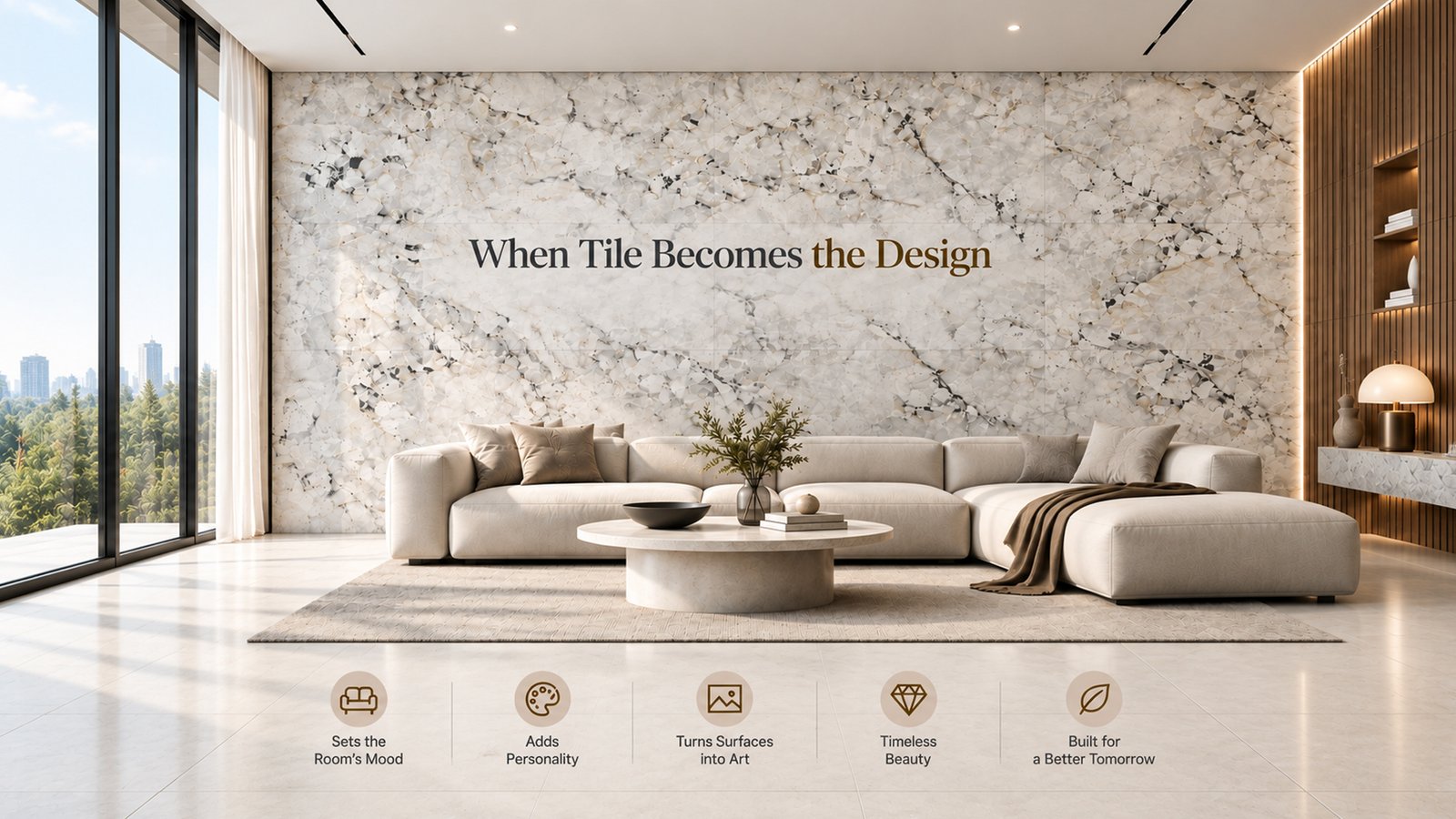
Large-format porcelain tiles are a major reason for this shift.
Their ability to create uninterrupted surfaces helps homes feel:
The fewer visual interruptions a space has, the easier it becomes for the mind to relax.
This subtle psychological effect explains why seamless design continues gaining popularity among architects and interior designers worldwide.
Interestingly, hospitality-inspired design often creates a more luxurious appearance without relying on expensive decoration.
That's because luxury hotels focus on fundamentals.
They prioritize:
Rather than filling rooms with attention-grabbing objects, they allow materials and architecture to speak for themselves.
The same principle works beautifully in residential spaces.
A thoughtfully selected porcelain surface can elevate an interior far more effectively than excessive decorative elements.
The result feels refined rather than forced.
One of the most overlooked aspects of hotel-inspired design is that it enhances ordinary experiences.
Making coffee feels different in a beautifully designed kitchen.
Taking a shower feels different in a spa-inspired bathroom.
Reading feels different in a calm, uncluttered room.
The physical activities remain exactly the same.
The environment changes the experience.
This is ultimately why homeowners are investing more attention into materials, layouts, surfaces, and interior atmospheres.
They understand that design influences daily life more than they once realized.
The growing desire for hotel-inspired homes is not really about luxury.
It is about quality of life.
People are seeking spaces that help them slow down, recharge, and enjoy everyday moments more fully.
They want interiors that feel calm rather than chaotic.
Sophisticated rather than overwhelming.
Timeless rather than trend-driven.
From seamless large-format tiles and spa-inspired bathrooms to warm materials and thoughtfully designed spaces, many of the ideas shaping modern homes today originate from the hospitality world.
Because at the end of the day, the most memorable luxury hotel experience is not the room itself.
It is the feeling it creates.
And increasingly, people want that feeling to start the moment they walk through their own front door.
31-08-2026
What started 25 years ago in Morbi, India’s ceramic hub, has grown into a trusted global brand. At Flavour Granito, we’ve built our legacy on creating tiles that blend artistry.
Quick Links
Available Sizes
Flavour Granito © . All rights reserved | Design and Managing By Roex Design